
Basilica Cistern Night Shift Entry & Audio Guide — Review
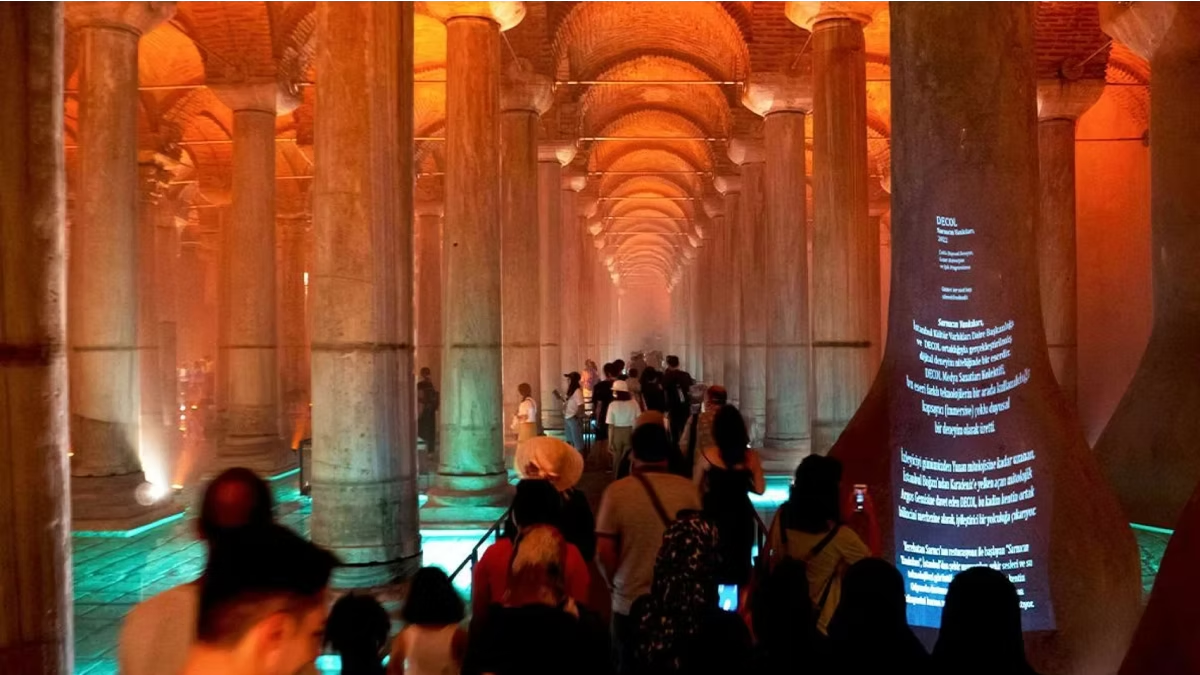
The Basilica Cistern Night Shift Entry and Audio Guide is the main evening-session ticket for the cistern — valid 19:30 to 22:00 with atmospheric lighting, lower visitor numbers, and occasional live programming (music, Whirling Dervish performances, or sound-healing events on select dates). Typical price is €55–75 (roughly 50% more than daytime entry), including skip-the-line access and a multilingual audio guide. The ticket covers the same physical cistern as the daytime visit but with shifted lighting and reduced crowds. Best for: photographers, atmosphere-seekers, repeat Istanbul visitors, and anyone specifically drawn to immersive evening experiences. Not ideal for: first-time visitors on a tight budget or anyone hoping for guaranteed live performances (most evenings don’t have them).
The Night Shift Entry ticket is the Basilica Cistern’s premium evening product — marketed heavily, photographed extensively on social media, and frequently misunderstood. First-time visitors sometimes book it expecting a guaranteed live performance or an unlock of restricted areas; it delivers neither. What it does deliver, honestly, is a quieter, more atmospheric version of the daytime cistern with more photogenic lighting. Whether that’s worth the 50% premium depends heavily on what you personally value.
This review covers exactly what’s included, what actually happens on a standard evening versus an event evening, and who should pay the premium. All product details reflect 2026 operating conditions.
Top Tickets
What the Ticket Actually Includes
Basilica Cistern Night Shift Entry and Audio Guide
Typical price (2026): €55–75 per adult on major online platforms; face-value official rate 3,000 TL (~€70)
Format: Self-guided with multilingual digital audio guide
Validity: Valid only during the 19:30–22:00 Night Shift window on the chosen date
Languages: 25+ languages including English, German, French, Spanish, Italian, Russian, Arabic, Chinese, Japanese, Turkish, and more
Cancellation: Free cancellation up to 24 hours before visit on most online platform versions
Delivery: Mobile QR-code voucher via email, typically sent 24 hours before visit date
The ticket covers evening entry via a dedicated Night Shift lane, a multilingual digital audio guide covering the same content as the daytime version, and access during the full 2.5-hour Night Shift window. A daytime ticket does not work during Night Shift hours — they are separate products with separate QR codes.
Buy This TicketWhat Actually Happens During the Night Shift
There are two different Night Shift experiences, and it matters which one you’re getting:
Standard Night Shift (most evenings)
- Deeper, moodier lighting — more reds, ambers, and shadow zones than daytime
- 30–50% fewer visitors inside at once compared to peak daytime
- No live performance or event
- Visit pace and content are structurally identical to a daytime visit — you walk the same loop, see the same columns, Medusa heads, Crying Column
- Typical time inside: 60–90 minutes
This is what the majority of Night Shift evenings deliver. The atmospheric lighting is genuinely different from daytime and more photogenic; the crowd reduction is real. But it’s not a show.
Event Night Shift (select dates)
On scheduled evenings, the Night Shift adds live programming. Historical examples include:
- Sound-healing sessions with facilitators using the cistern’s unique acoustics
- Whirling Dervish performances (Sufi whirling ceremonies)
- Live classical, folk, or pop music
- Gastronomy events like “Tastes of Basilica”
- Sound-and-light shows synchronised to classical or folk music
These evenings genuinely justify the premium, and visitor reviews that describe “amazing performances” are describing these specific events. The challenge: they’re not every night. Event dates are typically announced 1–4 weeks in advance on yerebatan.com’s news section (often in Turkish only) and don’t always sync cleanly with online platform listings. Most tickets bought for “the Night Shift” land on standard evenings.
How the On-The-Ground Experience Works
A typical Night Shift visit flow:
- Receive QR code via email, usually 24 hours before the visit date
- Download the audio guide app and content before travelling to Sultanahmet — interior signal is unreliable
- Arrive at the cistern between 19:30 and 20:30 for best experience (see timing note below)
- Join the Night Shift entry lane — separate from the daytime queue, which has closed at 18:30
- Clear security screening (~10 minutes; faster than daytime peaks)
- Descend into the cistern
- Start the audio guide at marked stops
- Walk the loop at your own pace — stay as long as you like until 22:00 close
Timing note: The 19:30 opening creates a brief bunch of arrivals. If you prefer empty walkways, arriving at 20:00–20:30 usually finds the queue cleared and the cistern quieter than the opening rush. The last 30 minutes (21:30–22:00) see some visitors start leaving, which thins the interior further.
What the Audio Guide Covers
The Night Shift audio content is functionally identical to the daytime audio guide — the same 45-minute script covering Justinian, the 336 columns, the Medusa heads, the Crying Column, the aqueduct network, the Ottoman rediscovery, and the 2022 restoration. The one difference is that some platforms include a brief section on the Night Shift programme itself and the lighting design.
For anyone who’s visited the cistern daytime previously and is returning for the Night Shift, the audio guide is optional — you’re unlikely to learn much new. Consider skipping the audio guide add-on and paying for just the entry if you’ve heard the content before.
The Product’s Strengths
What this ticket does well:
- Genuinely different atmosphere from daytime. The lighting shift is real, not just marketing. Reviews consistently confirm this.
- Lower crowd density. Typically 30–50% fewer visitors at any given moment — easier to photograph columns without people in frame.
- Flexible within the window. Once you arrive, you can stay until 22:00; no rushed group pacing.
- Better photography conditions. The deeper lighting and lower crowds combine to deliver noticeably better photos for anyone with a camera.
- Same audio guide quality. The 25+ language support is genuinely useful.
- 24-hour free cancellation. Unusual for evening premium products; useful if weather shifts.
The Product’s Weaknesses
Honest criticisms visitors flag:
- Marketing implies live events that often aren’t scheduled. Product descriptions and images routinely show Whirling Dervishes, music performances, and gastronomy events — but most evenings don’t include them. Visitors sometimes arrive expecting a show and leave with a lit cistern walk.
- 50% premium is substantial. €55–75 vs. €30–40 for the daytime equivalent is a real difference, particularly for budget-conscious visitors.
- Not structurally different from daytime. The walkways, exhibits, and interior layout are identical. You’re paying primarily for atmosphere, not content.
- Some visitor reports suggest “less crowded” doesn’t always mean “empty.” On peak event nights, the Night Shift can still feel busy.
- Occasional crowds around the Medusa heads persist. Bottleneck points exist regardless of session type.
- Dark conditions make the walkways harder to navigate. Lower lighting means slower walking, more careful steps, harder visibility for reading signage.
Who Should Buy This Ticket
Clear recommendations by visitor profile:
Photographers
Strong yes. The atmospheric lighting and lower crowd density deliver consistently better photos than daytime. This is the core target audience.
Repeat Istanbul visitors
Yes. If you’ve already done the daytime cistern on a previous trip, the Night Shift is the natural upgrade — same site, meaningfully different experience.
Atmosphere-seekers
Yes. Visitors who specifically enjoy immersive, moody, low-light spaces find the Night Shift genuinely rewarding. If you enjoyed the Paris Catacombs or low-lit Japanese temples, you’ll likely enjoy this.
Visitors drawn specifically to a scheduled live event
Yes, if you can confirm the event is running. Check yerebatan.com’s news section 1–2 weeks before travel for announced events, and cross-reference with online platform booking dates. Specifically book for an evening where a performance is confirmed.
First-time Istanbul visitors on a tight budget
Probably not. The daytime ticket at €30–40 delivers the core historical experience. The Night Shift’s 50% premium is better spent on a second attraction (Hagia Sophia, Topkapı, Bosphorus cruise) than on a differently-lit version of the same cistern.
Visitors with morning flights or early next-day touring
No. A 19:30–21:30 visit, plus transit back to accommodation, can push bedtime past 22:30. If you have an early start the next day, the Night Shift timing is awkward.
Families with young children
Depends on the children. The darker lighting and later hours can tire children under 8. Children over 10 who enjoy atmospheric spaces often enjoy the Night Shift; younger kids are better served by a standard daytime visit.
Night Shift vs. Daytime: The Direct Comparison
Sometimes the honest question is whether to pay more for a Night Shift ticket or just do the daytime visit. Direct comparison:
- Content seen: Identical
- Lighting: Noticeably different (deeper, moodier Night Shift)
- Crowds: Night Shift has 30–50% fewer visitors
- Photography: Night Shift is measurably better for atmospheric photos
- Live events: Night Shift sometimes; daytime never
- Audio guide: Same content in both
- Price premium: Night Shift ~50% more
- Timing convenience: Daytime fits most itineraries; Night Shift constrains evening plans
- Energy demand: Night Shift is a late visit — fine for night owls, awkward for early risers
For the broader context on whether the Night Shift experience is right for your trip, see our complete Night Visits guide.
Practical Tips for Using This Ticket
Specific pointers visitor reviews surface:
- Download the audio content before arriving. Signal inside the cistern is effectively absent; wifi in Sultanahmet is patchy.
- Screenshot your QR code. Platforms sometimes send the QR 24 hours ahead — make sure you have it saved before 19:30.
- Bring a power bank. 96% humidity drains phone batteries noticeably during a 90-minute visit.
- Arrive 20:00–20:30 to avoid the 19:30 opening queue bunch.
- Bring a warm layer. The cistern is 16–18°C year-round, which feels cold after a warm Istanbul evening.
- Wear non-slip shoes. The damp walkways combined with low lighting make footing more important at night.
- Avoid flash photography. Not allowed, and ineffective against the atmospheric lighting anyway.
- Consider leaving around 21:30. The last 30 minutes see visitors gradually leaving; the final 15 minutes can feel rushed as staff begin preparing for close.
- Plan your route back. T1 tram runs until ~midnight, taxis are abundant around Sultanahmet Square at 22:00.
How It Compares to Other Night Options
Other Istanbul evening attractions worth considering alongside or instead of the Night Shift:
- Bosphorus dinner cruise (€35–80): Different experience entirely — water, skyline views, dinner. Complements rather than competes with the Night Shift.
- Whirling Dervish performance at Hodjapasha Cultural Centre (€30–50): If you want a guaranteed live Sufi performance, a dedicated venue delivers better than hoping for a Night Shift event.
- Blue Mosque exterior at night (free): Different kind of atmospheric experience — the mosque’s silhouette with sunset/floodlight photography is compelling.
- Concert at a historic hamam or Ottoman venue (€40–100): Live music in a historic setting, often with a meal included.
The Night Shift holds its own against these, but they’re genuine alternatives for a single Istanbul evening.
Frequently Asked Questions
What does the Basilica Cistern Night Shift Entry ticket include?
Entry to the Basilica Cistern during the 19:30–22:00 Night Shift session, skip-the-line access at the entrance, and a multilingual digital audio guide. The ticket covers self-guided exploration with atmospheric evening lighting.
How much does the Night Shift ticket cost?
€55–75 per adult on online platforms. The face-value rate at the official website is 3,000 TL, approximately €70. Online platforms typically include the audio guide and free cancellation in their pricing.
What’s included that’s different from the daytime ticket?
Same physical site, same audio guide content — the differentiator is lighting, crowd density, and occasional live events. The Night Shift ticket is valid only 19:30–22:00; a daytime ticket does not work during these hours.
Are live events included with every Night Shift ticket?
No. Live events (music, Whirling Dervishes, sound-healing sessions) run on select dates, typically weekends and specific programming periods, but not every night. Most Night Shift evenings are standard atmospheric visits without live performance.
Is the 50% premium over daytime worth it?
For photographers, repeat visitors, and atmosphere-seekers, yes. For first-time visitors on a budget, typically not — the daytime visit covers the core experience at lower cost.
Can children visit the Night Shift?
Yes. Children under 7 enter free (accompanied by a paying adult); children 7+ pay the adult rate. The lower lighting and later hours may not suit children under 8 — daytime visits often work better for young children.
How far in advance should I book?
In summer, 3–7 days ahead for standard Night Shift evenings and 1–2 weeks ahead for specific event dates. In low season, same-day or 1–2 day advance booking usually works.
Can I arrive later than 19:30?
Yes. The Night Shift window runs 19:30–22:00; you can enter any time during this window. Arriving 20:00–20:30 avoids the opening queue bunch.
Does the ticket include entry to Hagia Sophia or other attractions?
No — this is a Basilica Cistern Night Shift-only ticket. Hagia Sophia closes earlier in the evening and isn’t part of any Night Shift combo.
Can I use a Night Shift ticket during daytime instead?
No. Night Shift tickets are valid only 19:30–22:00. A separate daytime ticket is required for 09:00–18:30 entry.
Is the audio guide the same as daytime?
Functionally identical — same 45-minute script covering Byzantine history, the Medusa heads, the Crying Column, and the restoration. Some platforms add a brief section about the Night Shift programme itself.
Is the Night Shift safer than the daytime session?
Sultanahmet is well-lit and well-patrolled in the evening. Solo visitors and families consistently report the Night Shift feeling safe. Tram and taxi access back to accommodation is abundant until midnight.
